Investing in an asphalt plant is not just about buying equipment. It is a long-term business decision that directly affects your project profitability, operational flexibility, and market competitiveness. Many buyers focus only on price at the beginning. However, experienced contractors know that a smart investment strategy goes far beyond the initial cost.
If you are exploring reliable asphalt mixing equipment, you will quickly realize that different configurations can lead to very different returns. Therefore, understanding how to invest wisely becomes essential.
So, what is the best investment strategy for asphalt plant buyers? The answer depends on your project type, market demand, and long-term business goals. In this article, we will break down practical strategies that help you make a confident and profitable decision.
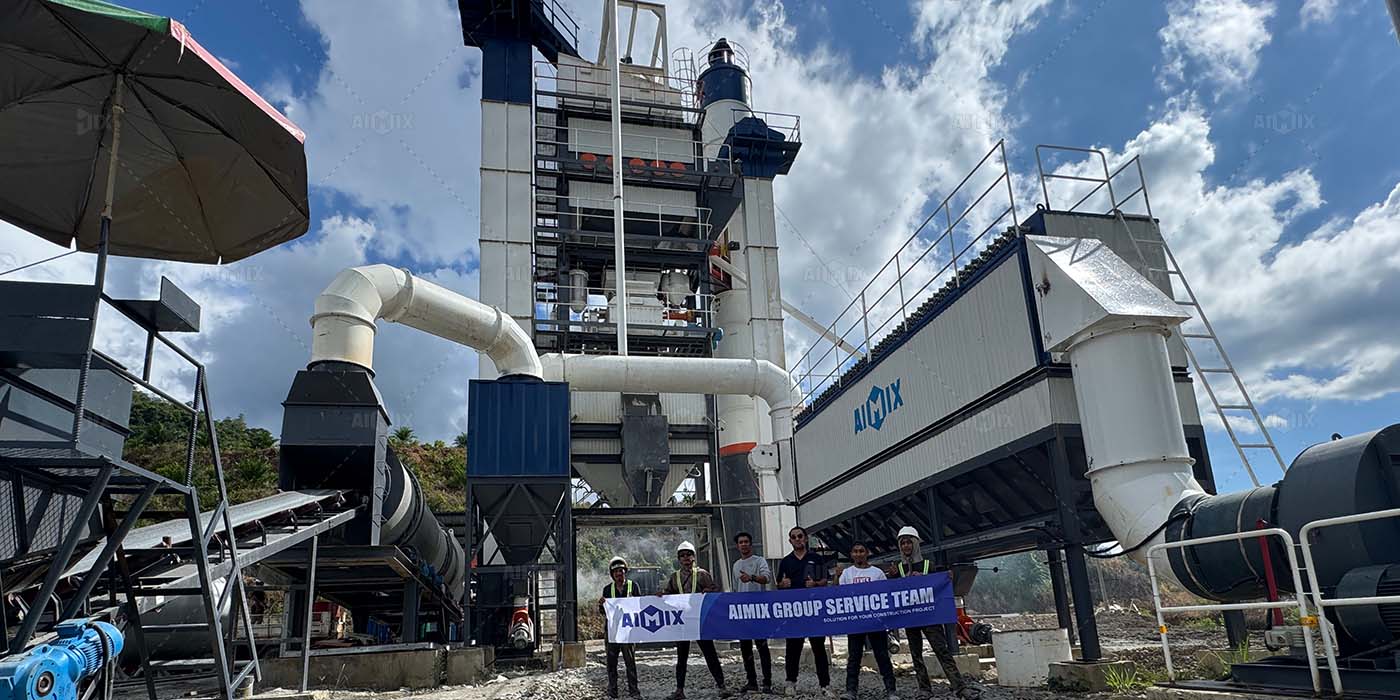
Understand Your Project Demand Before Investing
Before you compare different asphalt plants, you need to clearly define your project requirements. This step builds the foundation for your entire investment strategy.
For example, ask yourself: What type of projects will you handle? Are you focusing on highway construction, municipal road maintenance, or commercial asphalt supply? Each scenario requires a different plant configuration.
In addition, consider your production volume. Asphalt plants typically range from 20 to 400 TPH, which allows you to match output with project scale and avoid wasted investment.
Therefore, when you align plant capacity with real demand, you avoid both underinvestment and overinvestment. This balance is key to maximizing return.
Choose Between Batch Type And Drum Mix Plants
Once you understand your project needs, the next step is selecting the right plant type. This decision directly impacts your production flexibility and product quality.
In general, asphalt plants fall into two main categories: batch type and drum mix plants.
Batch Type Asphalt Plants
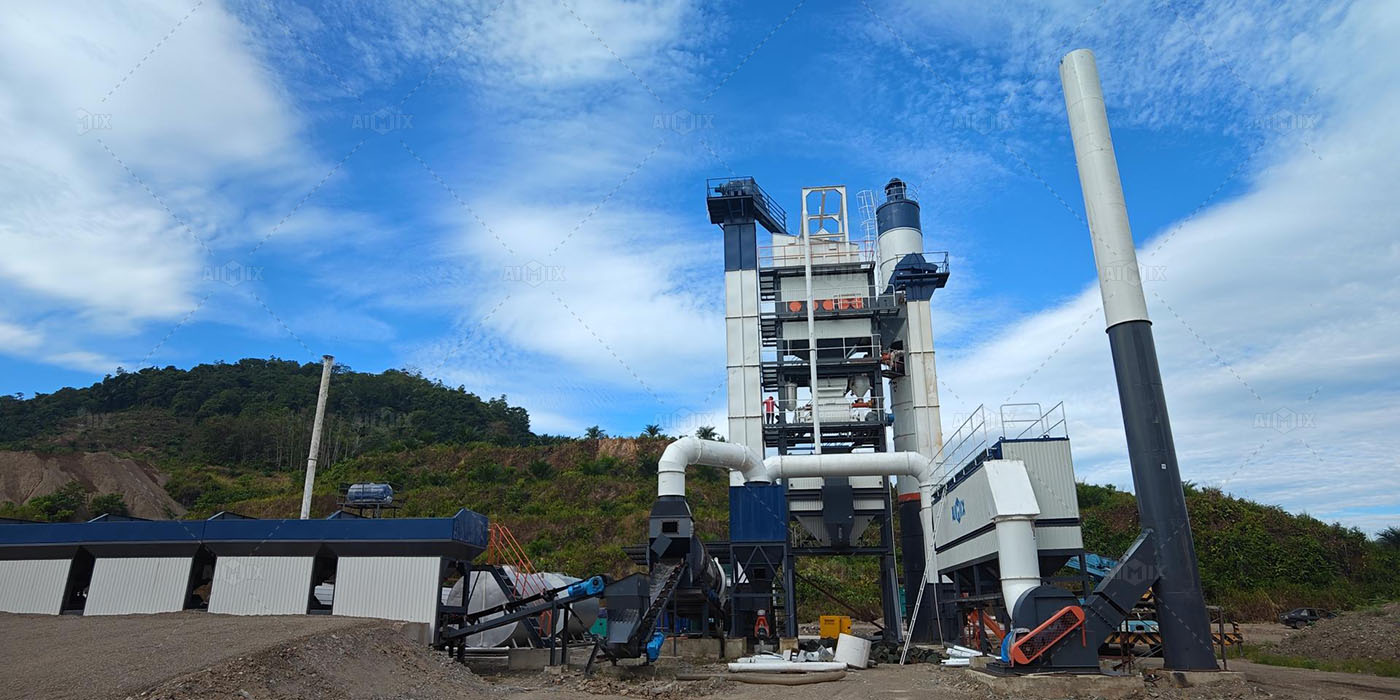
Batch plants offer high precision and flexibility. You can adjust the mix formula for different projects. This makes them ideal for government projects and urban road construction.
If you are handling high-grade road construction, investing in hma plants can ensure better mix consistency and long-term pavement performance.
Drum Mix Asphalt Plants
Drum mix plants provide continuous production. They work well for long highway projects where the mix formula does not change frequently.
If your focus is cost control and high-volume output, a drum mix plant offers a simpler structure and stable operation for continuous paving work.
As a result, your choice should match your project type. If you need flexibility, choose batch. If you focus on high-volume, stable production, consider drum mix.
Evaluate Total Cost Of Ownership, Not Just Price
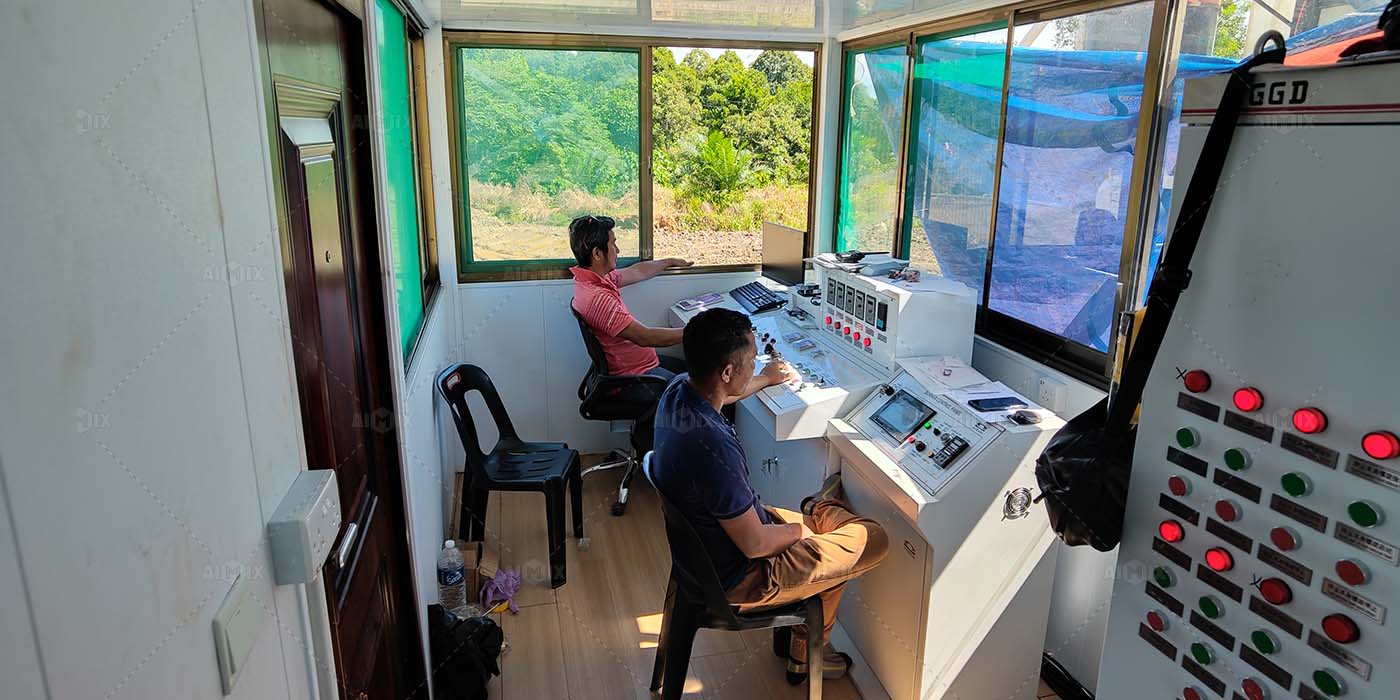
After selecting the plant type, many buyers make a critical mistake. They focus only on the purchase price. However, the real investment strategy should consider total cost of ownership.
This includes fuel consumption, maintenance cost, spare parts availability, and labor requirements.
For instance, modern asphalt plants can reduce fuel consumption by up to 15–20% with optimized systems, which directly improves long-term profitability.
Therefore, always calculate long-term costs. A slightly higher initial investment can often deliver better profitability in the long run.
Consider Mobility And Installation Conditions
Next, think about how often you will move your asphalt plant. This factor plays a major role in your investment decision.
If you work on multiple short-term projects, a mobile asphalt plant can save time and reduce installation costs. Modular designs allow faster setup and relocation, which improves efficiency on remote job sites.
On the other hand, if you operate in a fixed location with long-term projects, a stationary plant provides better stability and higher output efficiency.
In addition, consider your site conditions. Check land availability, power supply, and environmental regulations. These factors influence plant selection and installation cost.
Focus On Fuel Efficiency And Environmental Compliance
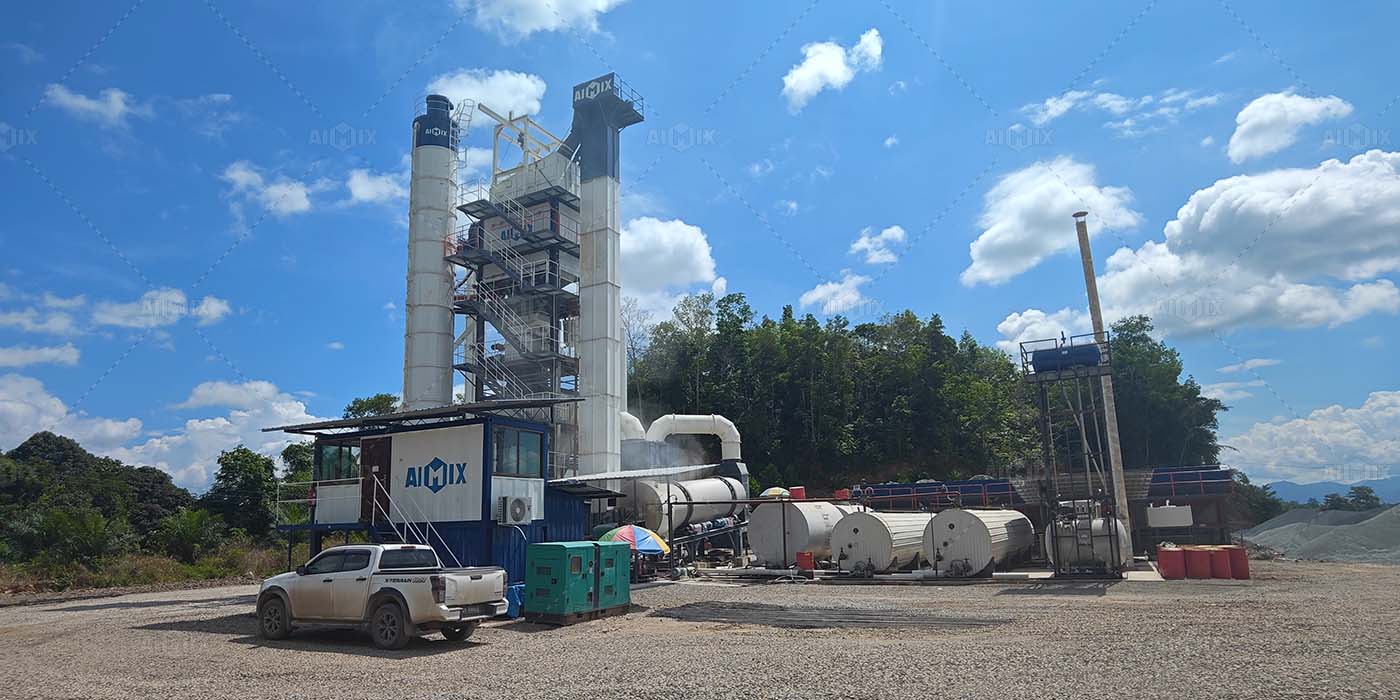
As the market evolves, environmental requirements are becoming stricter. Therefore, your investment strategy should include fuel efficiency and emission control.
Modern asphalt plants offer advanced burner systems and dust collection units. These features reduce fuel consumption and improve sustainability.
For example, using recycled asphalt pavement (RAP) can reduce costs by up to 30% while lowering emissions.
Consequently, investing in eco-friendly technology not only protects the environment but also enhances your business reputation.
Assess Supplier Reliability And After-Sales Support
Beyond the equipment itself, your supplier plays a crucial role in your investment success. A reliable partner ensures smooth installation and long-term operation.
When selecting an asphalt plant manufacturer, you should evaluate their global experience, service network, and technical support capabilities.
Look for suppliers who provide:
- Professional technical support
- Fast spare parts supply
- On-site installation guidance
- Operator training
Moreover, check their experience in your target market. A supplier familiar with local conditions can offer more practical solutions.
In other words, strong after-sales service reduces risk and ensures stable production.
Plan For Future Expansion And Market Growth
A smart investment strategy does not stop at current needs. It also considers future opportunities.
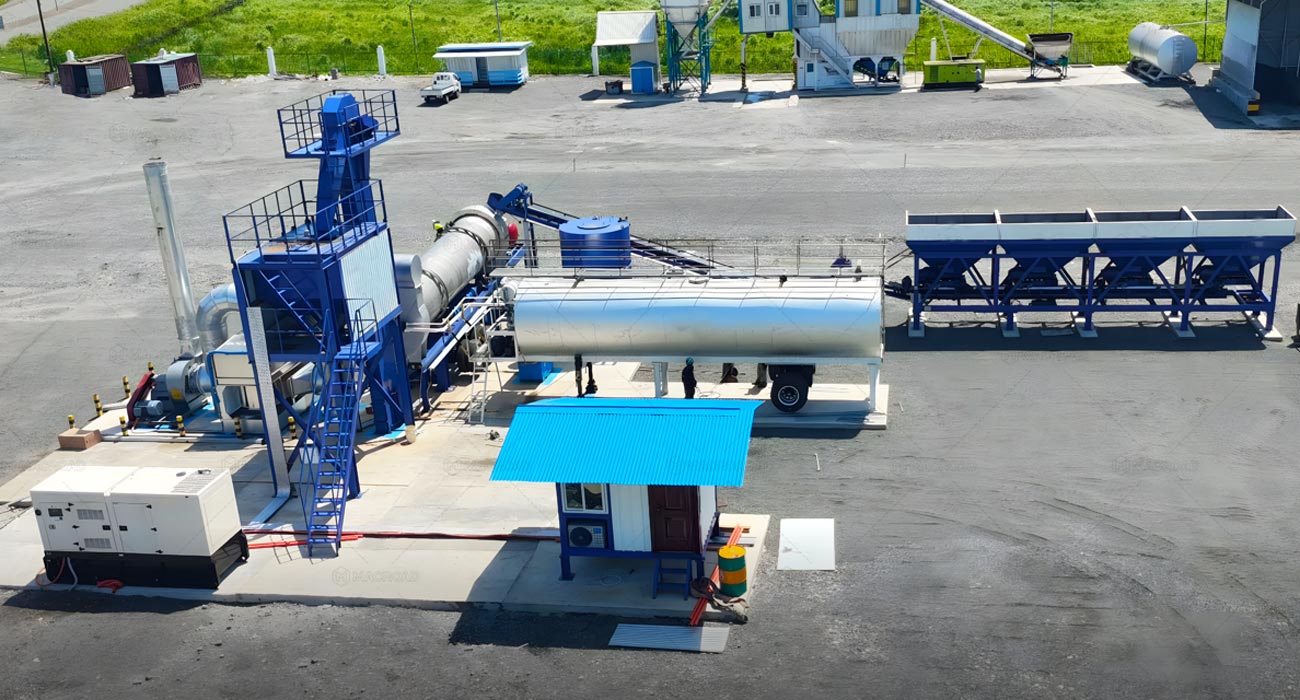
For instance, if your business plans to expand, choose a plant that allows capacity upgrades. Modular systems and scalable configurations help you respond quickly to increasing demand.
Additionally, infrastructure development continues to grow globally. Asphalt plants are widely used in highways, airports, and urban road projects, which ensures long-term market demand.
Therefore, flexibility and scalability should be part of your decision-making process.
Optimize Your Investment With Real Project Scenarios
To make your strategy more practical, let’s look at a few typical scenarios.
Scenario 1: Municipal Road Contractor
A contractor handling city roads needs flexibility. In this case, a 80–120 TPH batch plant works well. It allows quick mix adjustments and supports multiple small projects.
Scenario 2: Highway Construction Company
For long-distance highway projects, production stability is key. A 120–160 TPH drum mix plant can deliver continuous output with lower operating costs.
Scenario 3: Commercial Asphalt Supplier
If your goal is to sell asphalt mix, you need both capacity and quality. A 160 TPH or higher batch plant provides flexibility and meets different customer requirements.
These examples show that the best investment strategy depends on your business model.
Balance Risk And Return In Your Decision
Every investment involves risk. However, you can reduce risk by making informed decisions.
Avoid choosing the cheapest option without analysis. At the same time, do not overspend on unnecessary features.
Instead, focus on value. Compare performance, efficiency, and long-term benefits. When you balance cost and return, you build a sustainable business.
Conclusion: Build A Smart And Profitable Investment Strategy
In summary, the best investment strategy for asphalt plant buyers combines clear project understanding, proper equipment selection, and long-term cost evaluation.
First, define your production needs. Then, choose the right plant type. After that, evaluate total cost, mobility, and environmental factors. Finally, work with a reliable supplier and plan for future growth.
If you are planning to invest in an asphalt plant, now is the right time to take action. Analyze your project, compare solutions, and choose equipment that truly fits your business goals. A well-planned investment today can bring stable returns for many years.