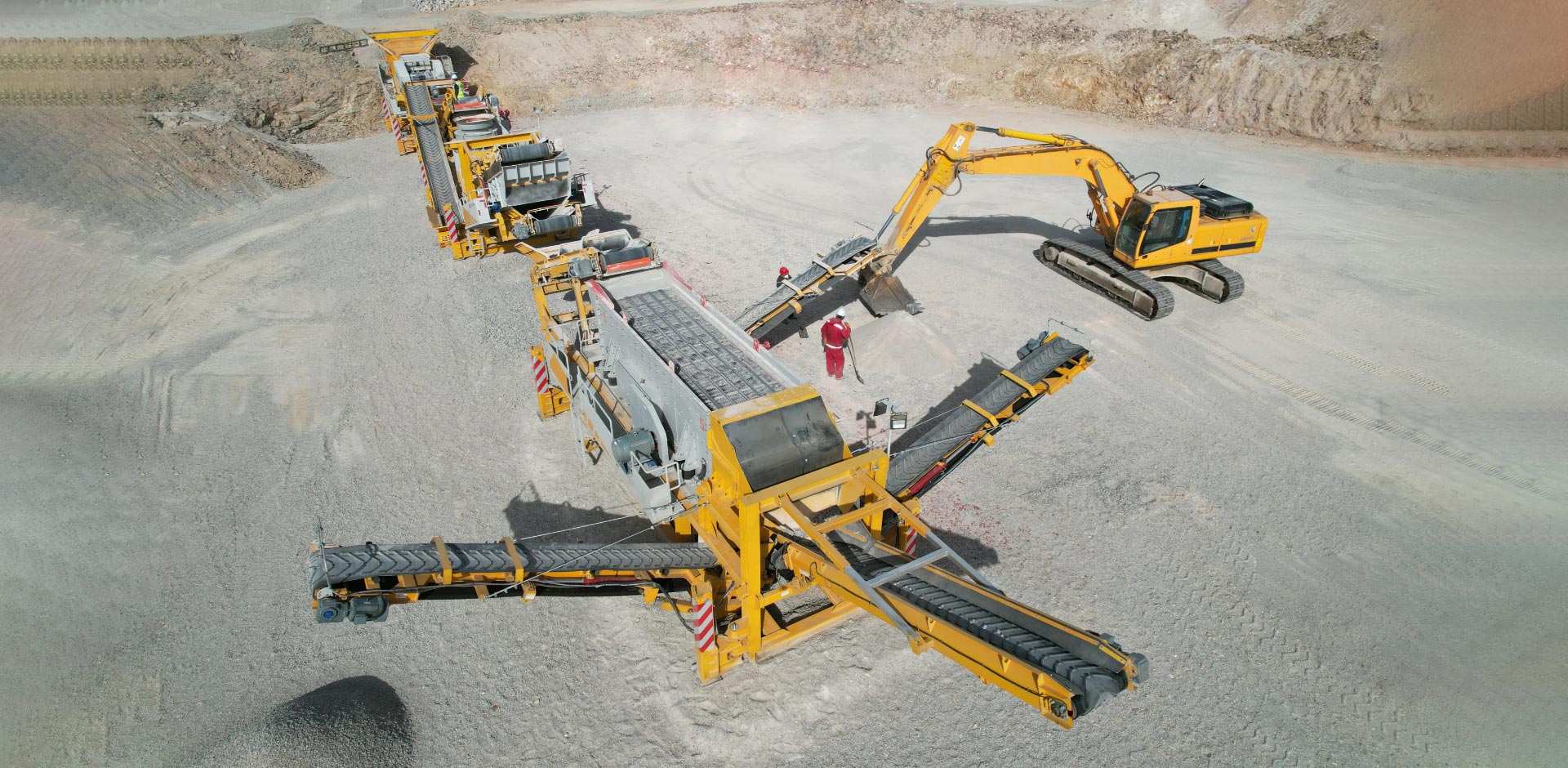
Navigating the stone crusher market often begins with a sticker price, but that figure is a superficial entry point into a far more complex financial landscape. The true cost of ownership—and the ultimate return on investment—is not dictated by a single machine’s invoice, but by the holistic configuration of the entire crushing circuit. Viewing a stone crusher as an isolated purchase is the primary error; it is a single actor in a carefully choreographed production system. Your configuration choices, from the raw feed strategy to the final product stockpiling, create a cascading series of operational and financial consequences. This analysis moves beyond basic catalog comparisons to dissect how plant architecture, from feed system finesse to downstream flow, fundamentally recalibrates your capital outlay, operational expenditure, and long-term profitability. The initial stone crusher machine price tag is merely a prologue; the configuration writes the entire financial story.
The Primary Driver: Feed System Intelligence and Crusher Symbiosis
The financial efficiency of any crushing operation is born at the very beginning: the moment material meets the system. A poorly considered feed strategy will strangle even the most robust and expensive primary crusher, guaranteeing subpar output and accelerated wear. The configuration of this initial stage is a direct investment in throughput quality.
The Grizzly and Pre-Screen Imperative
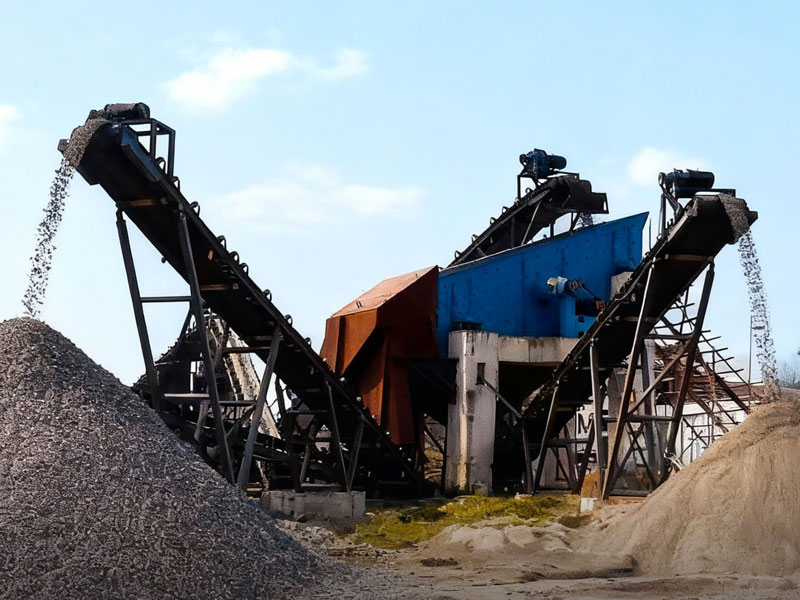
One of the most consequential configuration choices is the inclusion and design of a primary screening element. A rugged, vibrating grizzly feeder or an independent mobile pre-screen acts as the circuit’s first line of economic defense. Its function is pre-sorting, strategically removing natural fines and sub-size material from the feed before it ever reaches the primary crusher chamber. This is not a mere convenience; it is a profound cost-saving intervention. By diverting perhaps 20-30% of the feed directly to a side conveyor, you dramatically reduce the unnecessary volume burden on the primary crusher. This leads to reduced wear on manganese liners, lower fuel or power consumption per ton of processed material, and the prevention of crusher cavity packing. The capital added for a quality pre-screen is swiftly amortized through reduced wear-part costs and enhanced overall system tonnage.
Selecting the Primary Crushing Personality
The heart of the circuit demands a personality match with your material. The choice between a Jaw Crusher and an Impact Crusher for the primary role is a foundational financial commitment with long-term reverberations. A jaw crusher, with its compressive force action, is a capital-intensive workhorse built for high-abrasion, high-strength stone like granite or basalt. Its higher initial cost is justified by lower wear costs per ton in its specific domain. An impact crusher as a primary, utilizing high-speed kinetic energy, offers a lower entry price and superior particle shape but can be financially catastrophic if misapplied to highly abrasive material. Here, the exponentially higher wear cost—constantly replacing blow bars and liners—will obliterate any initial savings. The correct primary selection is not about the stone crusher plant machine’s price, but about the lifetime cost of processing your specific geology.
The Downstream Domino Effect: Secondary and Tertiary Configurations
Material does not stop at the primary crusher. Its fragmented state upon exit sets the stage for the next—and often most critical—financial optimization phase. How you choose to refine this product determines final saleability and operational complexity.
The Closed-Circuit Power Loop
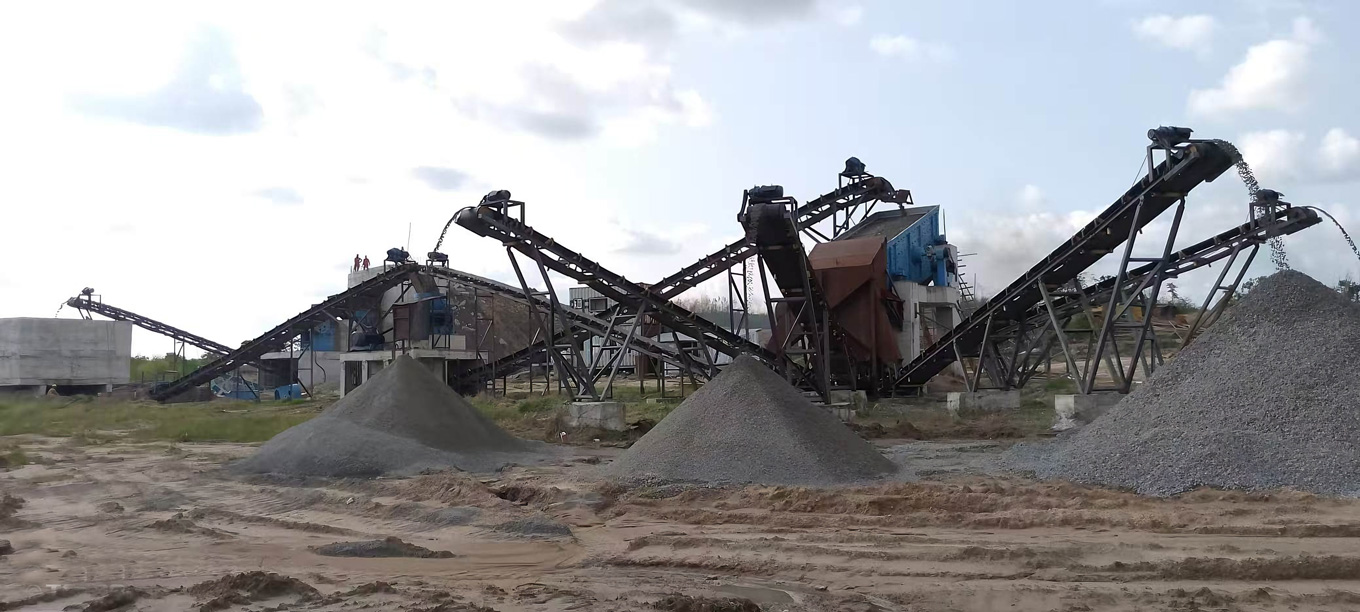
Implementing a closed-circuit configuration in secondary or tertiary stages is the hallmark of a modern, profit-focused operation. This involves pairing a cone crusher or impactor with a dedicated sizing screen. All crushed material is conveyed to the screen, where it is rigorously classified. On-size product is sent to final stockpiles, while oversize material is recirculated back into the crusher for further reduction. This loop creates a powerful feedback mechanism that allows for precise control over the final product’s granular makeup. Financially, it eliminates the costly waste of off-spec material and maximizes the yield of high-value, in-spec products. The additional capital for the extra conveyor and a larger screen is directly converted into enhanced product portfolio control and reduced material giveaway.
The Tertiary Shaping Investment
For operations targeting premium markets like asphalt chips or concrete aggregate, particle shape is paramount. This is where the configuration extends to a tertiary stage, often using a specialized shaping crusher like a vertical shaft impactor (VSI). A VSI sand making machine fractures stone through a high-velocity rock-on-rock or rock-on-anvil process, producing the highly cubical, well-shaped particles that command better prices and provide superior performance in bound applications. Adding this stage represents a significant configuration cost, but it transforms the operation from a commodity supplier to a specification producer, opening access to more lucrative contracts. The return on this investment is measured in superior product value, not merely increased tonnage.
The Mobility Matrix: Fixed, Portable, and Tracked Cost Architectures
The physical architecture of the plant itself—its relationship to the ground and the quarry face—represents another layer of configuration with profound budgetary implications. This is the choice between permanence and peregrination.
The Stationary Plant Commitment
A stationary plant configuration, with its deep concrete foundations, massive electrical infrastructure, and permanent conveyor networks, demands the highest initial capital outlay. This is a long-term, high-volume financial bet on a specific reserve. Its justification lies in the lowest possible operational cost per ton over a decades-long lifespan. The efficiency gains from optimized, fixed-position material flow and the ability to use the largest, most cost-effective machinery create an economy of scale that can justify the multi-million-dollar setup. It is an investment in predictable, ultra-efficient production for a known resource.
The Portable and Tracked Calculus
At the other end of the spectrum are portable trailer plants and fully tracked mobile crushers. These configurations trade maximum efficiency for radical flexibility. Their financial advantage is not in the cheapest cost per ton, but in the lowest cost of relocation and deployment. For contract crushers moving between job sites, or quarries with scattered, smaller reserves, the ability to bring the rock crushing plant to the rock is the core economic proposition. The configuration cost is higher than a simple stationary plant due to the integrated mobility engineering, but it eliminates the colossal expense of trucking raw material over long distances to a fixed point. The financial analysis here weighs the capital premium for mobility against the lifetime savings in reduced material transport costs and the revenue from accessing multiple, smaller deposits.