Investing in road infrastructure is a critical driver of economic growth across Latin America. From the sprawling networks needed in Brazil to the critical highway connections in the Andes, the quality of the road surface determines the success of the project. At the heart of this operation lies a single, decisive factor: the asphalt plant. However, the decision to purchase this machinery is rarely straightforward. The initial price of an asphalt plant is just the tip of the iceberg. It dictates cash flow, influences bidding strategies on contracts, and determines the logistical feasibility of reaching remote job sites. For contractors and government agencies alike, understanding how the price of an asphalt plant(precio de planta de asfalto) correlates with long-term profitability is the key to successful project execution in this diverse and challenging region.
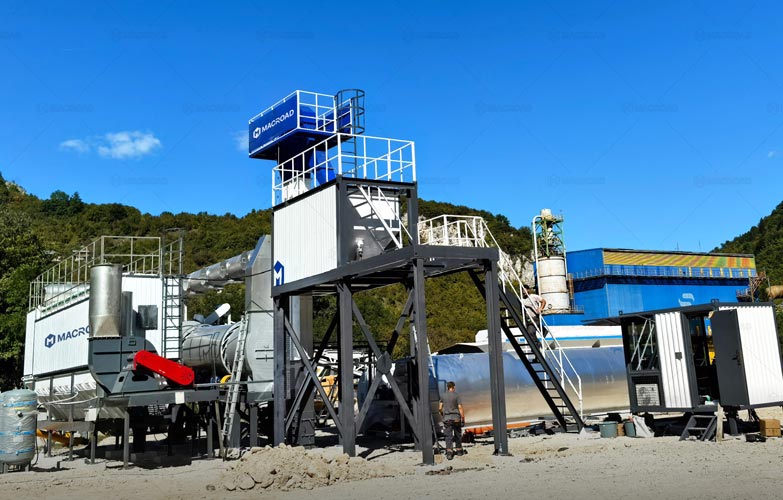
The Spectrum of Asphalt Plant Prices and Initial Capital Outlay
The first hurdle for any construction firm in Latin America is securing the capital for equipment. The price of an asphalt plant can vary dramatically, typically ranging from several hundred thousand dollars for a basic, used model to several million for a new, high-capacity stationary facility. This initial cost directly impacts the barrier to entry for small and medium-sized enterprises (SMEs) looking to secure public or private road contracts.
Entry-Level vs. High-Capacity Investments
For smaller municipalities or local contractors focusing on maintenance and urban roads, a lower price point is attractive. However, opting for the cheapest available unit can be a false economy. A low-cost plant might have lower production capacity, leading to bottlenecks on larger projects and potential penalties for delays. Conversely, a major infrastructure project, such as a new intercity toll road, demands a high-capacity plant. While the sticker shock is significant, the cost per ton of produced asphalt decreases with higher output, making the investment justifiable for large-scale, long-duration projects. The financing terms available in countries like Colombia or Chile also play a role; a slightly higher-priced plant with favorable payment terms might be more accessible than a cheaper one requiring full upfront payment.
Operational Costs: The Hidden Factor in Plant Valuation
Beyond the purchase price, the total cost of ownership is a paramount consideration. The price of an asphalt plant is intrinsically linked to its operational efficiency. Modern plants, though more expensive initially, often incorporate technology that significantly reduces fuel consumption and emissions. In a region where energy costs can be volatile, a fuel-efficient burner can save thousands of dollars over the lifespan of a project.
Maintenance, Logistics, and Local Support
The availability of spare parts and technical support is a critical variable in Latin America. A plant from a manufacturer with a weak distribution network in the region might have a lower purchase price but lead to exorbitant downtime waiting for parts to clear customs in countries like Argentina or Peru. Furthermore, the cost of moving the plant must be factored in. This is where the discussion of a portable asphalt plant(planta de asfalto portátil) becomes highly relevant.
The Strategic Advantage of a Portable Asphalt Plant
Latin America’s geography presents unique challenges—from the mountains of Bolivia to the jungles of Central America. In such environments, the mobility of equipment is not just a convenience; it is a strategic necessity. The decision to invest in a portable asphalt plant is heavily influenced by its price relative to the logistical savings it offers.
Mobility and Project Sequencing
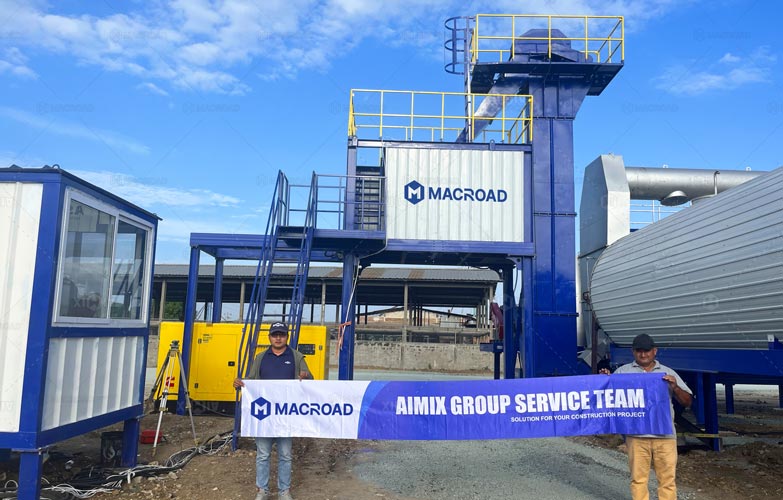
While a stationary facility might be the most economical choice for a single, decade-long project, it becomes a liability once that project ends. Demobilization, dismantling, and leaving a site can be costly. A portable asphalt plant, however, is designed to be moved on trailers. This allows a contractor to bid on a sequence of smaller, geographically dispersed projects—for instance, repairing sections of the Pan-American Highway in different provinces. The slightly higher initial price of a portable unit is offset by the elimination of the need to build new access roads for raw materials at every new site and the reduction in hauling time from a distant central asphalt plant(planta aglomerado) to the paving location.
Case Study: The Role of an Asphalt Plant in Mexico
The market dynamics in North America often influence the southern markets. For example, the specifications and technology used in an asphalt plant in Mexico frequently mirror those in the United States due to trade agreements and cross-border contractor operations. When a firm is looking for an asphalt plant in Mexico, they are often comparing prices with US-based manufacturers. The price must reflect the ability to handle the specific aggregates found in Mexican quarries while meeting the country’s evolving environmental regulations, particularly in densely populated areas like Mexico City or Guadalajara. A plant priced competitively for this market usually includes features for emissions control and the capability to produce high-spec mixes required for modern highway construction, setting a benchmark for quality that influences investment decisions further south.
Long-Term ROI and Bidding Competitiveness
Ultimately, the price of an asphalt plant dictates a company’s competitiveness. If the plant is too expensive, the contractor’s overheads are higher, making it difficult to submit the lowest bid. If the plant is too cheap and inefficient, the project might run at a loss due to high fuel and maintenance costs.
Investors must perform a granular analysis: How many tons of asphalt are required? What is the project timeline? What are the local costs for diesel, bitumen, and aggregates? By answering these questions, they can determine the maximum justifiable price for the equipment. In many Latin American countries, where project financing is tight and payment schedules from government entities can be slow, the reliability of the plant becomes a financial tool. A reliable, moderately priced plant ensures that production targets are met, guaranteeing cash flow and avoiding the crippling costs of project extensions.
In conclusion, the price of an asphalt plant is not merely an expense; it is a strategic variable that shapes every facet of a road project in Latin America. From the decision between a stationary giant and a nimble portable asphalt plant to the operational calculus of fuel efficiency in remote locations, the initial cost sets the stage for the entire venture. By looking beyond the sticker price and considering the total cost of ownership, logistical advantages, and market conditions—whether sourcing an asphalt plant in Mexico(planta de asfalto en México) or deploying one in the Patagonian steppe—investors can make informed decisions that pave the way for profitable and successful infrastructure development.