Concrete is the backbone of modern construction, forming the foundation, structure, and finishing materials for residential, commercial, and infrastructure projects. Efficient and consistent production of concrete relies heavily on batching plants, which are specialized facilities designed to mix raw materials into high-quality concrete. Understanding the types of batching plant and their role in construction material supply chains is crucial for contractors, developers, and suppliers aiming to optimize production, reduce costs, and meet growing demand.
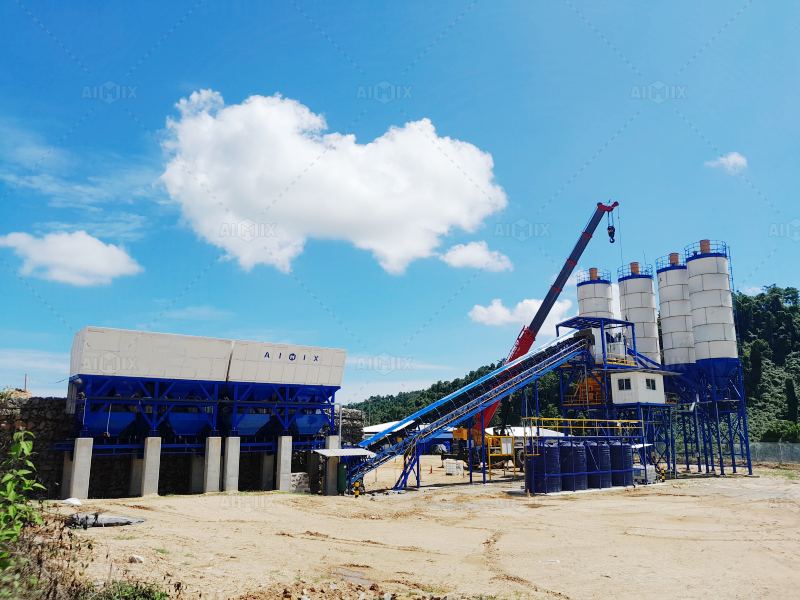
Overview of Batching Plants in Construction
A batching plant is a facility where raw materials such as cement, aggregates, water, and admixtures are combined in precise proportions to create concrete. These plants can vary in size, design, and capacity depending on project requirements. Batching plants serve as central nodes in construction material supply chains, ensuring that concrete is produced efficiently and delivered in a timely manner to construction sites.
Modern construction projects often require different types of concrete, each with specific properties such as strength, workability, or setting time. As a result, the choice of batching plant impacts not only production capacity but also the quality and consistency of concrete delivered. Two primary types dominate the industry: the dry mix concrete batch plant and the wet mix concrete batch plant.
Dry Mix Concrete Batch Plant
A dry mix concrete batch plant, also known as a transit mix plant, prepares concrete in a relatively simple process. In this system, the raw materials—cement, sand, gravel, and other aggregates—are weighed and mixed dry before being loaded into a transit mixer truck. Water is added during transportation to the construction site, where the mixing is completed before placement.
Advantages of Dry Mix Concrete Batch Plant:
Flexibility in Delivery: Since water is added at the construction site, dry mix plants are ideal for projects where concrete must travel longer distances. Contractors can control water content and adjust the mix on-site for specific project requirements.
Lower Initial Cost: Dry mix plants are generally more cost-effective to set up compared to wet mix plants. This makes them a popular choice for small and medium-sized contractors who want efficient concrete production without high upfront investment.
Reduced Maintenance: The absence of a central mixer reduces wear and tear, and the plant requires less cleaning, making operation simpler and more cost-efficient.
However, the dry mix method may result in slight variations in concrete consistency if mixing at the construction site is not properly managed. Therefore, quality control and skilled labor are critical for maintaining concrete standards.
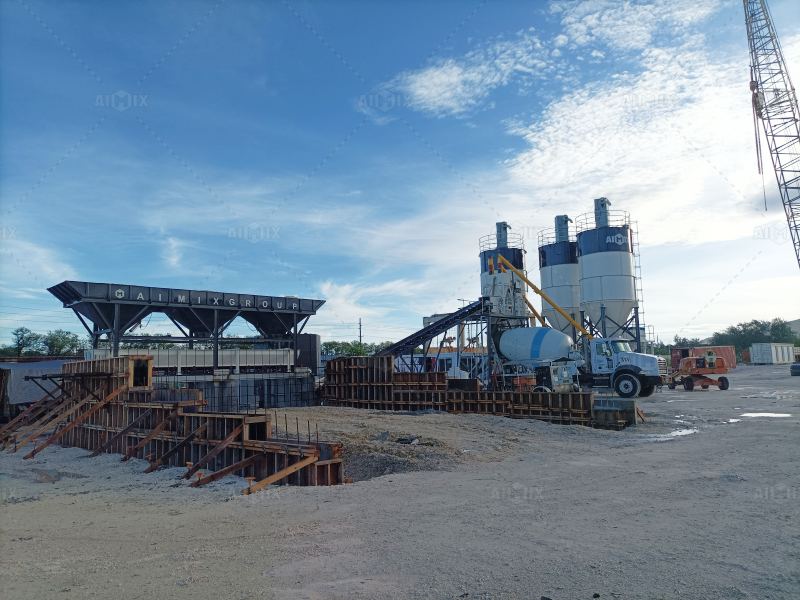
Wet Mix Concrete Batch Plant
A wet mix concrete batch plant, in contrast, produces fully mixed concrete at the plant before it is transported to the construction site. All materials, including water, are combined in a central mixer, creating ready-mix concrete that is poured directly into trucks for delivery.
Advantages of Wet Mix Concrete Batch Plant:
High Quality and Consistency: Centralized mixing ensures that every batch has uniform composition, resulting in better strength, workability, and durability. This consistency is essential for large-scale projects or high-strength concrete applications.
Faster Placement: Wet mix plants reduce the need for on-site mixing, saving time during construction and allowing workers to focus on placement and finishing.
Support for Complex Mixes: Advanced wet mix plants can incorporate multiple additives and admixtures to achieve specialized concrete types such as self-compacting, lightweight, or high-performance concrete.
While wet mix plants require higher initial investment and maintenance, their ability to produce high-quality concrete efficiently makes them suitable for large-scale urban developments, highways, bridges, and industrial facilities.
Role in Construction Material Supply Chains
Batching plants, whether dry or wet, are central to modern construction material supply chains. They act as production hubs that ensure concrete is available when and where it is needed.
Centralized Production: Plants consolidate raw materials in a single location, streamlining procurement and inventory management. This reduces waste, minimizes handling costs, and ensures that suppliers can deliver consistent quality concrete.
Efficient Logistics: By coordinating batching plant output with delivery schedules, contractors can reduce waiting times on-site and improve project timelines. Dry mix plants may be advantageous for sites located farther from the plant, while wet mix plants provide immediate ready-mix solutions for nearby projects.
Adaptation to Project Scale: Supply chains rely on batching plants to scale production according to project demand. Small projects may use dry mix plants for short-term needs, whereas large infrastructure projects benefit from wet mix plants with high throughput capabilities.
The integration of batching plants into supply chains also supports modern technologies like automated dispatch systems, GPS tracking of concrete trucks, and real-time quality monitoring, further enhancing reliability and efficiency.
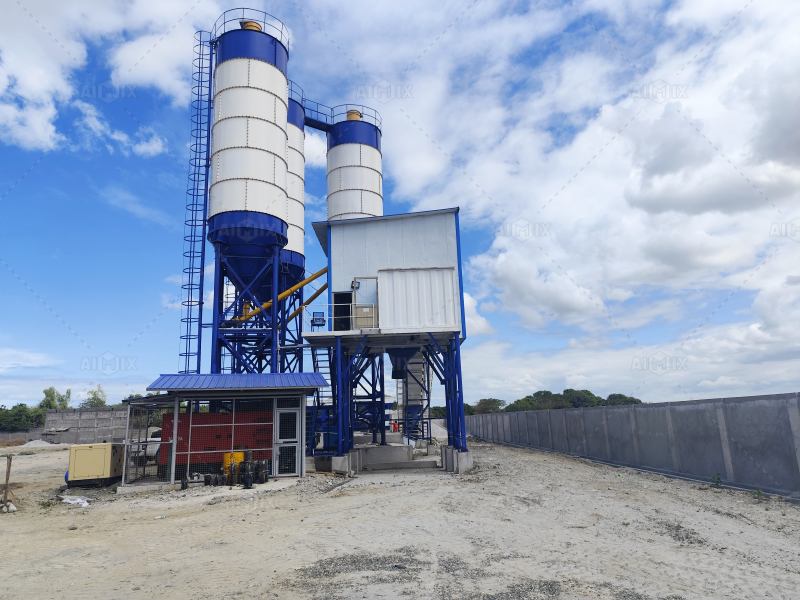
Selecting the Right Type of Batching Plant
Choosing between a dry mix or wet mix concrete batch plant depends on project size, location, and specific requirements. Contractors must consider:
Distance to Site: Dry mix plants are suitable for longer transport distances, while wet mix plants work best for nearby projects.
Quality Requirements: High-strength or specialized concrete may necessitate wet mix plants for consistent performance.
Budget and Scale: Dry mix plants offer lower setup costs, while wet mix plants require higher investment but support large-scale operations efficiently.
Working with a reputable concrete plant manufacturer ensures that the chosen batching plant meets industry standards, provides reliable output, and can be customized for future project needs.
Conclusion
The types of batching plant, including dry mix concrete batch plant and wet mix concrete batch plant, play a vital role in modern construction material supply chains. They not only enable efficient production and consistent quality but also enhance logistics, reduce costs, and support project scalability. By understanding the advantages and limitations of each type, contractors and suppliers can optimize their operations, meet project deadlines, and deliver concrete that meets industry standards.
Integrating the right batching plant into the supply chain ensures a reliable and sustainable construction process, whether for small urban projects or large infrastructure developments. Working with an experienced concrete mixing plant manufacturer provides guidance, customization options, and long-term support to maximize the efficiency and value of concrete production in today’s competitive construction market.